Retiring in France: Culture, Comfort and Classic European Living
Retiring in France remains a dream for many: picturesque villages with stone houses, vineyards and olive groves, vibrant café culture, world-class healthcare, and a lifestyle steeped in art, history and cuisine. For UK and other Western retirees seeking to combine comfort, sophistication and European living, France offers a compelling choice. From the gentle fields of Dordogne and the lavender-covered hills of Provence to the sunlit Atlantic coasts and historic towns of Alsace, France allows you to craft the retirement you’ve always imagined.
Cost of Living in France
France’s cost of living is variable depending on region, but outside Paris and the Riviera you can still live well for less than many imagine. According to estimates, a couple can expect monthly expenses (excluding large city premiums) around €2,000–€2,500 including rent in modest locations.
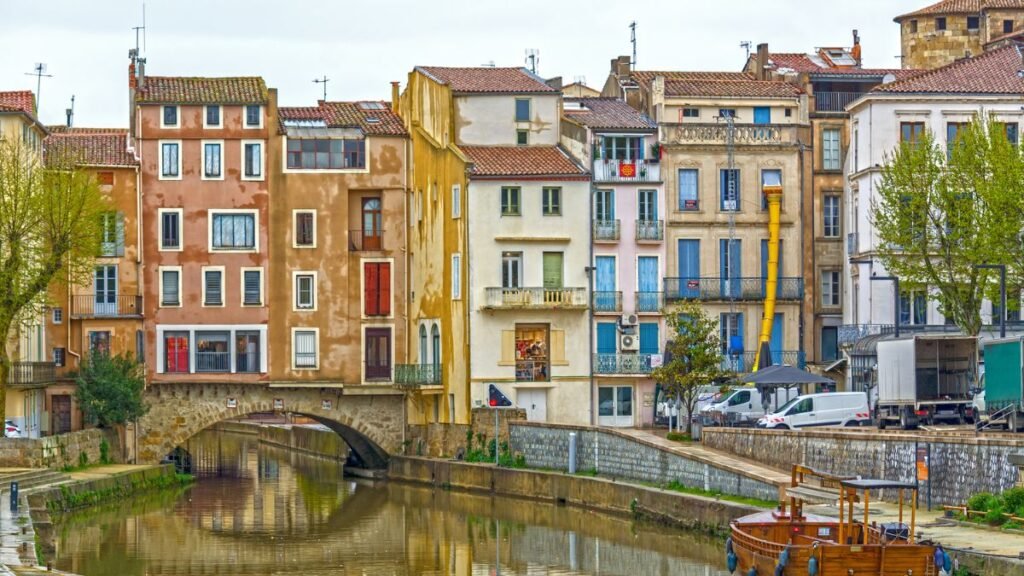
In smaller towns and rural areas, rental for a two-bed home can be €600–€1,200/month, while utilities and other costs remain moderate
Here’s a simplified budget example:
| Expense | Estimated Monthly Cost (€) |
|---|---|
| Rent (1-bed/tranquil town) | 650-900 |
| Utilities & Internet | 120-160 |
| Groceries & Dining | 400-500 |
| Transport / Misc | 150-200 |
| Total (approx.) | €1,300-€1,760 |
Note: In high‐value areas (Côte d’Azur, Paris centre) expect rent alone to be double or more.
In summary, with wise location choice France offers excellent value for retirement, especially when favouring regional rather than big city living.
Residency & Visa Options for UK / Non-EU Citizens
France does not have a visa specifically labelled “Retirement Visa”. Instead, retirees typically use the long-stay visitor visa VLS-TS (Visiteur) or other long-stay residence authorisations.
Key criteria include:
- Proof of sufficient financial means (income/savings) so you won’t rely on French social assistance. Many consulates require income equivalent to the French minimum wage (~€1,800 gross/month) as a benchmark.
- Comprehensive health insurance valid in France for at least one year.
- Proof of accommodation in France.
- Clean criminal record and sometimes language/integration criteria (depending on region).
The long-stay visa can then be converted to a residence permit (titre de séjour) and after five years of continuous residence one may apply for a carte de résident or citizenship (depending on requirements).
UK State Pension, Taxes & Financial Considerations
For UK nationals retiring in France:
- Your UK State Pension continues to be paid even when you live abroad; in many cases uprating (annual increases) will apply.
- If you become French tax resident (typically by residing >183 days/year or making France your main home) you will be taxed on your worldwide income.
- Income tax in France is progressive: e.g., up to €11,497 taxed at 0%, then 11% up to €29,315, 30% to €83,823, 41% to €180,294, 45% beyond.
- Pension income may benefit from allowances (e.g., reduction on taxable portion) but you should seek specialist advice.
- If you retain property or assets in the UK, or rental income, you’ll need to check how double-taxation treaties apply and ensure all worldwide income is correctly declared.
Healthcare & Insurance
France’s healthcare system is consistently ranked among the best in the world. Residents have access to the public system (Assurance Maladie) and can supplement with private insurance
For non-EU retirees initially you will need private health insurance covering you until you become a resident and can register for public healthcare.
Healthcare costs are generally affordable; for example, a typical doctor visit may cost from €10–€30 with reimbursement for eligible residents.
In rural or regional areas the standard remains high, and large cities have excellent facilities.
Safety, Infrastructure & Everyday Quality of Life
France is a stable, safe country with excellent infrastructure: roads, rail, public transport, mobile coverage and utilities are reliable.
Language can be a barrier outside tourist zones—learning French significantly improves your integration and day-to-day experience.
Public transport in cities and between regions is very strong (TGV, regional trains) and Portugal-style ferry links are less relevant in France, but travel within Europe is convenient.
Climate and environment vary: you’ll find alpine areas (e.g., Alpes), Mediterranean coast (Provence, Languedoc) and Atlantic litoral (Brittany, Vendée) — offering a wide spectrum of lifestyle choices.
Urban/commuter lifestyle costs more; rural and second-tier towns give much better value, paired with authenticity and slower pace.
Best Areas to Retire in France
Montpellier (Occitanie – Mediterranean Coast)

Montpellier is one of southern France’s most appealing coastal cities for retirees. Just 10 km from the Mediterranean, it combines a sunny climate, a walkable historic centre, and a vibrant café culture with modern transport and healthcare.
The city’s trams link seamlessly to nearby beaches like Palavas-les-Flots, and property prices remain lower than on the Côte d’Azur.
Montpellier’s hospitals and international clinics are among the best in the south, and English is increasingly spoken thanks to its large university and expat base.
The mix of Mediterranean warmth, year-round livability, and cultural sophistication makes it ideal for retirees seeking French lifestyle without Riviera prices.
Dordogne (Nouvelle-Aquitaine)

The Dordogne (Périgord) has long been a favourite among retirees for its gentle pace, warm climate, and value for money. Rolling hills, stone farmhouses, and golden villages like Sarlat and Domme offer postcard-perfect scenery without the crowds of the Riviera.
Retirees can find restored village homes for under €200,000 or rent comfortably for under €700 a month. Life here revolves around community — weekly markets, local cafés, and riverside picnics. English is widely spoken, especially around Bergerac, where many British retirees have settled.
Healthcare access is strong, with regional hospitals and clinics spread across the area, and the Dordogne’s climate is kind to those seeking milder summers than the far south.
For retirees who prefer peace, space, and authenticity, the Dordogne offers the essence of rural France. It’s slower, more grounded — the kind of place where you’ll know your baker by name and time moves with the rhythm of the river.
Provence (Bouches-du-Rhône / Vaucluse / Var)

Provence epitomises the idyllic Mediterranean lifestyle
Sun-drenched landscapes, vineyards, olive groves, and markets that smell of lavender and fresh bread.
For retirees, it offers the perfect combination of beauty and tranquillity, particularly in areas such as Gordes, Roussillon, and Lourmarin. Homes here range from stone cottages to modern villas with mountain or sea views.
The cost of living is moderate outside major towns, and healthcare is excellent, with nearby hospitals in Avignon and Aix-en-Provence. The climate is dry and sunny almost all year, ideal for outdoor living and garden terraces.
Cultural life thrives through local festivals, open-air concerts, and art fairs. Public transport is limited, so a car is advisable, but distances are short and roads scenic. Retirees often highlight Provence’s social warmth — locals are proud of their traditions but welcoming to newcomers. Life unfolds slowly here: mornings at the market, afternoons with rosé and a view of the hills. It’s Mediterranean retirement distilled to its purest form.
Brittany (Bretagne)

Brittany, in northwest France, offers a different kind of coastal retirement — less Mediterranean heat, more maritime charm. Towns like Saint-Malo, Dinard, and Quiberon combine old stone architecture, dramatic tides, and some of the cleanest air in Europe. Retirees seeking affordability and authenticity often choose Brittany for its slower pace and lower property prices.
Saint-Malo, pictured above, is a walled port city where tides roll in dramatically and seafood dominates local cuisine. The cost of living is roughly 20% below the national average, and healthcare access is excellent, with hospitals in Rennes and Saint-Brieuc. Transport links to Paris and the UK (via ferry) make it easy for British retirees to visit family.
While winters can be cool, the community spirit compensates. Farmers’ markets, coastal walks, and local festivals keep daily life active. English is less common here than in the south, but the region’s friendliness bridges any language gap. For retirees wanting sea air, solid healthcare, and a quieter, more traditional France, Brittany is a gem.
Alsace (Strasbourg / Colmar region)
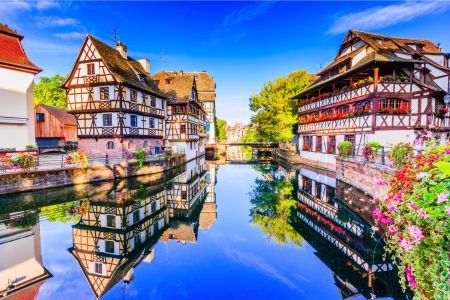
Alsace, in France’s northeast, combines French charm with a touch of Central European elegance. Strasbourg, its capital, offers a unique cultural mix — cobbled lanes, canals, and vibrant architecture. For retirees seeking beauty with practicality, it’s a hidden gem.
The region’s healthcare is among the best in France, and transport links to Germany, Switzerland, and Paris are superb. Property costs are reasonable compared to Paris or Lyon, and the quality of life is high.
Colmar and Eguisheim are postcard-perfect options for quieter living, surrounded by vineyards and mountain trails. Strasbourg’s international airport and train connections make it convenient for retirees with family abroad.
Food and wine culture here are exceptional — think tarte flambée, Riesling, and bustling Christmas markets. The climate has distinct seasons, offering warm summers and crisp winters.
For retirees wanting a European base with French lifestyle, excellent services, and real cultural depth, Alsace delivers refinement without pretence.
Pros & Cons of Retiring in France
Pros of retiring in France
- Exceptional lifestyle: food, culture, landscapes and heritage
- Top-tier public healthcare and infrastructure
- Strong property options in many regions
- Good EU travel links and international airports
Cons against retiring in France
- Visa/residence paperwork can be complex and time-consuming
- Cost of living in popular French Riviera/Paris zones is high
- French language often required outside tourist areas
- Taxes on worldwide income can be higher than some lower-cost countries
Frequently Asked Questions About Retiring in France
Can UK citizens retire in France?
Yes — UK citizens can apply for a long-stay visa (VLS-TS) or residence permit if they meet the income, accommodation and insurance requirements.
How much money do I need to retire in France?
Many sources estimate a comfortable lifestyle for a couple may cost €2,000–€2,500/month excluding rent in non-major city regions.
Is healthcare good for retirees in France?
Yes. The healthcare system is widely regarded as excellent. Retirees may need to access private insurance initially until resident registration for the public system is complete.
Official Sources and References for Retiring in France
- GOV.UK – Living in France
https://www.gov.uk/guidance/living-in-france
– Official UK government advice for British citizens living or retiring in France, covering residency, healthcare, tax, and pensions. - Service Public France – Vie des Étrangers en France
https://www.service-public.fr/particuliers/vosdroits/N110
– The French government’s official portal outlining residence permits, long-stay visas, and administrative procedures for foreigners. - France-Visas – Ministère de l’Europe et des Affaires étrangères
https://france-visas.gouv.fr
– The official French government website for visa applications, including information on the long-stay “visitor” visa (VLS-TS). - Ameli.fr – Assurance Maladie (French Health Insurance)
https://www.ameli.fr
– Official site for the French public healthcare system (PUMA), detailing registration, reimbursements, and healthcare coverage for residents. - HMRC – UK/France Double Taxation Convention
https://www.gov.uk/government/publications/france-tax-treaties
– Full text of the bilateral tax agreement preventing double taxation between the UK and France. - UK Government – State Pension Abroad
https://www.gov.uk/state-pension-if-you-retire-abroad
– Official policy confirming State Pension uprating and eligibility for UK retirees living in France. - Caisse Nationale d’Assurance Vieillesse (CNAV)
https://www.lassuranceretraite.fr
– Official portal for France’s national retirement insurance fund, covering pension rights, contributions, and applications.