Retiring in Cyprus: Mediterranean Living with a British Twist
Retiring in Cyprus has long appealed to those seeking Mediterranean sunshine without the cultural or language barriers often found elsewhere in Europe.
With English widely spoken, left-hand driving, and a legal system rooted in British law, Cyprus offers a seamless transition for UK retirees — but with far lower living costs and 300 days of sunshine a year.
From historic harbour towns like Paphos to relaxed beach communities in Larnaca, Cyprus blends old-world charm with modern convenience — a retirement destination that feels both familiar and refreshingly different.
Cost of Living in Cyprus
Cyprus offers one of the lowest costs of living in the Eurozone, particularly outside Limassol and Nicosia. A couple can live comfortably on €1,300–€1,700 per month, including rent, groceries, utilities, and leisure.
| Expense | Average Monthly Cost (€) |
|---|---|
| Rent (1-bed coastal apartment) | 550–800 |
| Utilities & Internet | 140 |
| Groceries & Dining | 400 |
| Transport & Misc | 150 |
| Total | 1,300–1,700 |
A one-bedroom apartment in Paphos or Larnaca rents for around €600–€700, while dining out remains affordable — a local taverna meal for two with wine typically costs under €30.
Utilities are moderate, and property tax is low compared with Western Europe.
Cyprus uses the euro, and everyday prices are generally 25–30% lower than the UK. The absence of winter heating bills in coastal areas is another major saving.
Residency and Visa Options for UK Citizens
UK citizens can retire in Cyprus under the Category F Residence Permit (non-EU nationals with sufficient income to support themselves without local employment).
Requirements:
- Minimum annual income of around €10,000–€15,000 (pension or passive income) plus €5,000 for each dependent.
- Proof of funds in a Cypriot bank account.
- Comprehensive health insurance.
- Clean criminal record and proof of accommodation.
The permit is valid for one year, renewable annually, and can lead to permanent residency after five years of continuous stay.
Alternatively, the Permanent Residency (Fast Track) Program is available for those investing €300,000 or more in property.
EU nationals need only register locally for a residence certificate.
UK State Pension and Taxation
✅ UK State Pension Uprating: Cyprus has a reciprocal agreement with the UK, meaning retirees continue to receive annual pension increases.
✅ Double-Taxation Agreement: Income is not taxed twice. You may choose where to pay, depending on tax residency.
✅ Favourable Tax Regime:
- Pensions can be taxed at a flat rate of 5% on income above €3,420 per year, or under standard progressive rates if preferred.
- No inheritance tax.
- Low property transfer fees and reduced VAT for primary residences.
This makes Cyprus one of the most tax-efficient destinations for retirees in Europe.
Healthcare and Insurance
Cyprus has a well-developed healthcare system combining public and private options.
Residents can access the General Healthcare System (GHS) once registered. It covers most treatments with small co-payments. Standards are high, particularly in cities and tourist areas.
Private healthcare remains affordable — insurance policies start at around €60–€120 per month, offering faster appointments and English-speaking doctors.
Pharmacies are widespread, and the island’s reputation for medical tourism continues to grow, especially in dental and ophthalmic care.
Safety, Infrastructure, and Connectivity
Cyprus consistently ranks among the safest countries in Europe, with low crime and a relaxed island pace of life.
Infrastructure is excellent: reliable roads, good mobile coverage, and efficient public services. English road signs, familiar banking systems, and EU consumer protection laws make day-to-day living straightforward.
Larnaca and Paphos airports provide year-round direct flights to the UK and mainland Europe — another reason why many retirees choose Cyprus as a long-term base.
Lifestyle and Daily Life in Cyprus
Life in Cyprus unfolds to the rhythm of the sea and the seasons. Morning swims, long lunches, and evening strolls by the harbour are part of the daily routine.
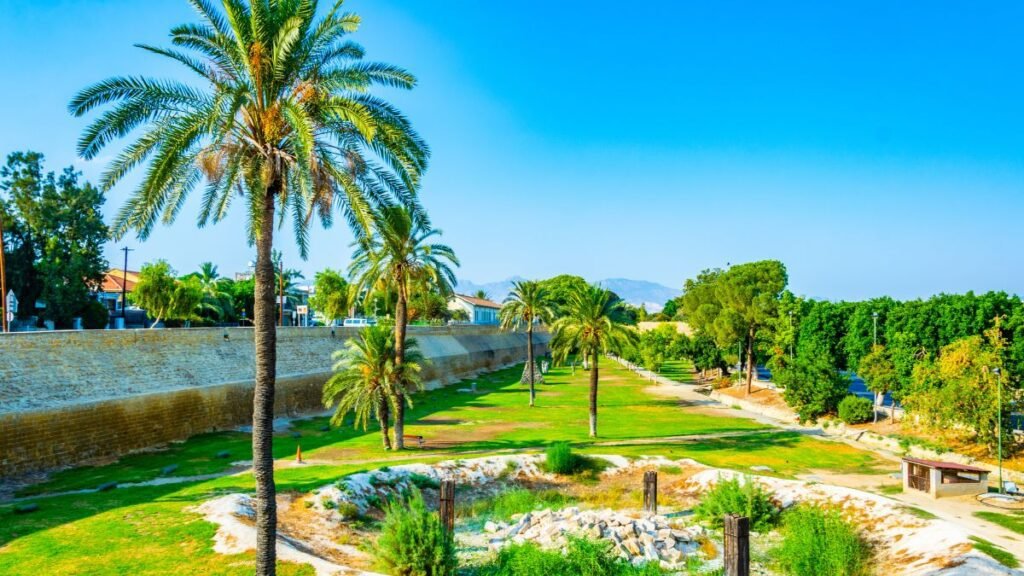
English is widely spoken, but learning a few Greek phrases goes a long way with locals. Food and family are at the heart of Cypriot culture — think grilled halloumi, souvlaki, and slow-cooked kleftiko shared under a pergola.
The climate is one of Europe’s best: hot, dry summers and mild winters. Outdoor living is the norm, and expats quickly adapt to the slower, more social pace.
From coastal cafés to mountain wineries, Cyprus delivers authentic Mediterranean living without the crowds of Spain or the bureaucracy of France.
Best Areas to Retire in Cyprus
Paphos
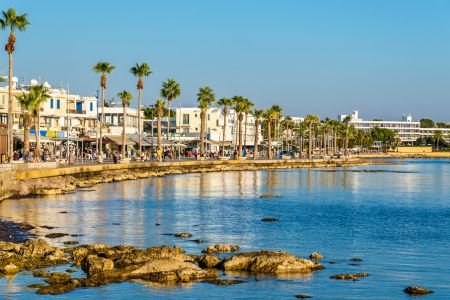
Paphos is arguably the spiritual home of British retirees in Cyprus — a city where ancient ruins meet modern comfort. As a UNESCO World Heritage site, it’s steeped in mythology and archaeology, but equally known for its easygoing lifestyle and established expat support. The Kato Paphos seafront, lined with tavernas and cafés, is ideal for evening strolls, while residential areas like Chloraka, Kissonerga, and Tala offer peaceful hillside living with sea views. Paphos General Hospital and numerous private clinics ensure strong healthcare access, and flights to the UK are direct and frequent. The mix of culture, coastline, and community gives Paphos a grounded Mediterranean charm.
Larnaca
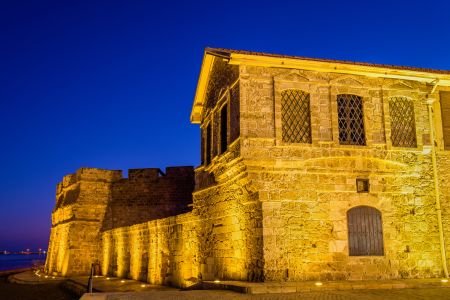
Larnaca offers the most balanced lifestyle on the island — combining city convenience with seaside calm. Its palm-lined Finikoudes promenade, traditional tavernas, and low property prices make it especially attractive to retirees who want a coastal base without tourist overload. The city’s proximity to Cyprus’s main international airport simplifies travel, while the new marina development is transforming the waterfront into one of the island’s most desirable addresses. Healthcare facilities are reliable, and English is widely spoken. Unlike Paphos or Limassol, Larnaca retains more of its local Cypriot character, offering a genuine Mediterranean lifestyle at a slower pace. It’s an excellent entry point for retirees who want affordability, accessibility, and comfort in one package.
Image Caption: Larnaca Marina – coastal comfort and convenience for retirees.
Limassol
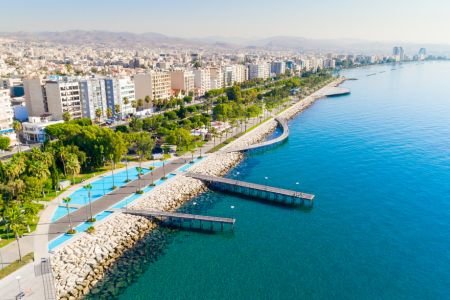
Limassol is Cyprus’s most cosmopolitan city — a vibrant mix of old harbour charm and sleek coastal development. For retirees who still enjoy an active social and cultural life, it’s the island’s liveliest base. The newly developed seafront promenade stretches for kilometres, perfect for morning walks or café stops. Modern healthcare, international schools, and English-speaking professionals are plentiful, and there’s a growing expat scene focused around the marina and Old Town. While prices are higher than other areas, the city’s infrastructure, nightlife, and year-round energy make it worth the premium. Limassol also benefits from excellent road access, connecting quickly to Paphos and Larnaca, making it an ideal hub for retirees who still like to travel or host visiting family.
Ayia Napa
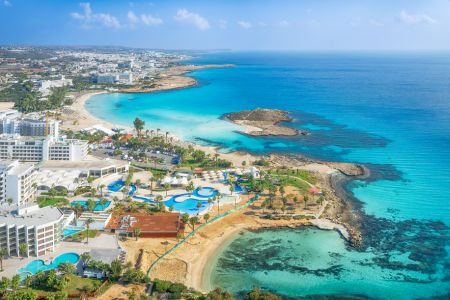
Once known for nightlife, Ayia Napa has evolved into one of the most peaceful retirement locations on the island — especially outside the summer season. The turquoise bays and long beaches remain its greatest asset, while off-season living offers quiet walks, affordable rentals, and a friendly community of long-term residents. Restaurants and cafés stay open year-round, and the area’s healthcare and infrastructure have improved significantly in recent years. Ayia Napa also serves as a convenient base for exploring the eastern coast, with the nature trails and sea caves of Cape Greco nearby. Rent is lower than in Limassol or Paphos, and the overall vibe is one of relaxed seaside simplicity — ideal for retirees who prefer sunshine and sea views over city bustle.
Tala
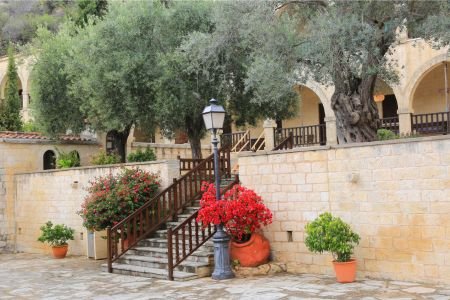
Perched in the hills above Paphos, Tala is one of Cyprus’s most peaceful and picturesque villages — a favourite among retirees seeking community without crowds. Its elevated setting delivers sweeping sea views and cooler summer temperatures, while still being just a 10-minute drive from the coast. Life here revolves around small tavernas, local markets, and the village square where expats and locals gather for coffee or evening wine. The nearby St. Neophytos Monastery adds a touch of history, and the area’s mix of stone houses and new villas caters to both long-term renters and buyers. The village’s proximity to Paphos ensures easy access to modern amenities and healthcare, yet Tala itself maintains a calm, authentic rhythm — perfect for those seeking a slower, sunlit lifestyle.
Pros and Cons of Retiring in Cyprus
Pros for retiring in Cyprus
- English widely spoken; familiar systems for UK retirees
- 5% flat-rate pension tax option
- Warm climate and low cost of living
- Excellent flight links to the UK
- Safe, relaxed pace of life
Cons against retiring in Cyprus
- Bureaucracy and slow paperwork
- Rising prices in Limassol and tourist hubs
- Water shortages in some areas during summer
- Limited public transport outside cities
Frequently Asked Questions About Retiring in Cyprus
Can UK citizens retire in Cyprus?
Yes. UK citizens can apply for Category F residency or permanent residency through property investment.
How much money do you need to retire in Cyprus?
A couple can live comfortably on around €1,500–€1,800 per month outside Limassol.
Is healthcare good in Cyprus?
Yes. Healthcare standards are high, with modern facilities and many English-speaking doctors.
Do UK pensioners get annual increases?
Yes. The UK State Pension is uprated annually in Cyprus.
Official Sources and References for Retiring in Cyprus
- GOV.UK – Living in Cyprus
- Cyprus Civil Registry & Migration Department – moi.gov.cy
- NHS Travel Health – Travel health and vaccinations
- UK Government – State Pension Abroad
Last updated October 2025. Verify details before making relocation or visa decisions.
Continue Exploring
➡️ Best Country to Retire in 2026 – Top 10 Destinations
➡️ Travel Shop: Best Things to Do in Cyprus